For buyers in Europe and regulated markets, CE certification is not optional—it is a legal requirement.
When sourcing protective coveralls, understanding CE standards, testing procedures, and compliance documentation is essential to avoid regulatory risks and product recalls.
This guide explains what CE certified protective coveralls mean and how to source compliant PPE from a reliable manufacturer.
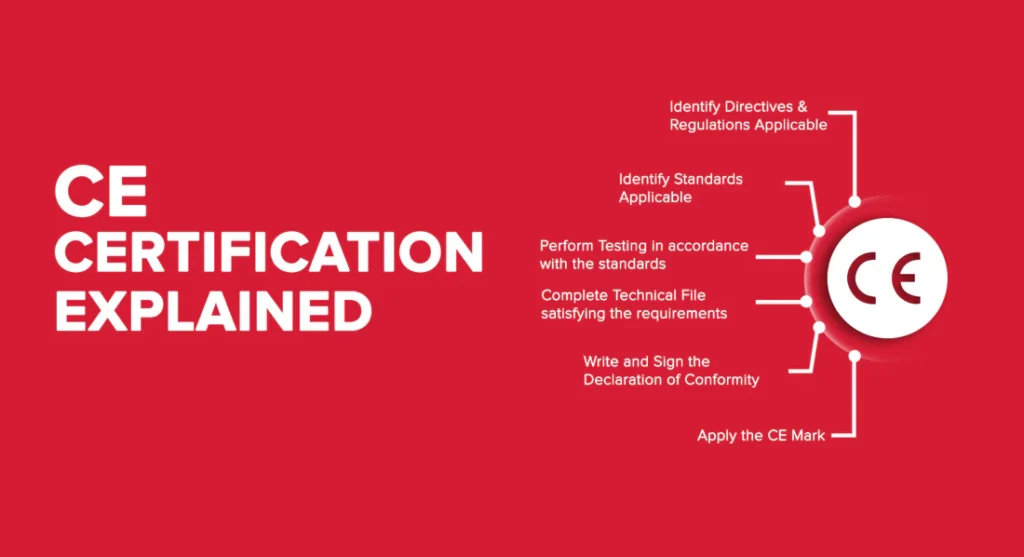
What Does CE Certification Mean for Protective Coveralls?
CE certification indicates that protective coveralls comply with European PPE Regulation (EU) 2016/425.
CE marked medical disposable coveralls have been:
- Tested by a notified body
- Verified for performance and safety
- Approved for sale in EU markets
This certification ensures worker protection and regulatory compliance.
PPE Categories for Protective Coveralls
Protective coveralls fall under Category III PPE, which covers protection against serious or irreversible risks.
Category III PPE requires:
- EU type-examination
- Ongoing production control
- Valid certification and documentation
Type 5/6 disposable coveralls are typically classified as Category III PPE.
Key EN Standards for CE Certified Protective Coveralls
To achieve CE certification, protective coveralls must meet relevant EN standards:
- EN ISO 13982-1 (Type 5) – Protection against solid airborne particles
- EN 13034 (Type 6) – Limited protection against liquid splashes
- EN 14126 – Protection against infective agents (medical use)
- EN 1149-5 – Antistatic properties (optional)
A CE certified coverall may comply with one or multiple standards depending on application.
CE Testing and Certification Process Explained
The certification process typically includes:
- Material Testing
Evaluating resistance to particles, liquids, and penetration - Garment Performance Testing
Assessing seams, closures, and overall integrity - Documentation Review
Technical files, risk assessment, and instructions for use - Factory Production Control
Ensuring consistent quality across production batches
Only after passing these steps can a manufacturer legally apply the CE mark.
Documents You Should Request from a Manufacturer
Before placing an order, buyers should request:
- CE Certificate issued by a notified body
- EU Declaration of Conformity (DoC)
- EN test reports
- Technical data sheets
- User instructions (IFU)
These documents protect buyers from compliance risks and customs issues.
Common Mistakes When Sourcing CE Certified Coveralls
- Confusing “CE compliant” with “CE certified”
- Using expired or invalid certificates
- Certificates not covering the actual product model
- Missing Declaration of Conformity
Always verify certification details with the manufacturer.
Why Work with a CE Certified Protective Coverall Manufacturer?
A reliable manufacturer provides:
- Valid CE certification with traceable notified bodies
- Consistent production quality
- Updated compliance documentation
- Support for audits and inspections
This is especially critical for distributors supplying EU healthcare and industrial markets.
How to Verify CE Certification
Buyers can verify CE certification by:
- Checking the notified body number
- Reviewing certificate validity dates
- Matching product model numbers
- Requesting updated compliance documents
Transparent manufacturers are always willing to provide this information.
Looking for a CE Certified Protective Coverall Manufacturer?
If you are sourcing CE certified protective coveralls for EU or regulated markets, compliance should never be compromised.
👉 Contact us today to receive:
- Valid CE certificates
- EN test reports
- Declaration of Conformity
- Factory-direct pricing and samples