
Forget romanticized images of straw hats and simple denim. Modern farming is a demanding, high-risk profession where safety isn’t an option; it’s a necessity. At the heart of this safety protocol lies a piece of equipment as crucial as any tractor or combine: the farming coveralls. More than just workwear, these protective clothing for farmers are engineered shields, safeguarding those who feed the world from a multitude of hazards inherent to agricultural work. Understanding their importance, design, and features is paramount for every farmer and agricultural worker.
Why Farmers Coveralls are Non-Negotiable:
Farm environments present a unique cocktail of risks:
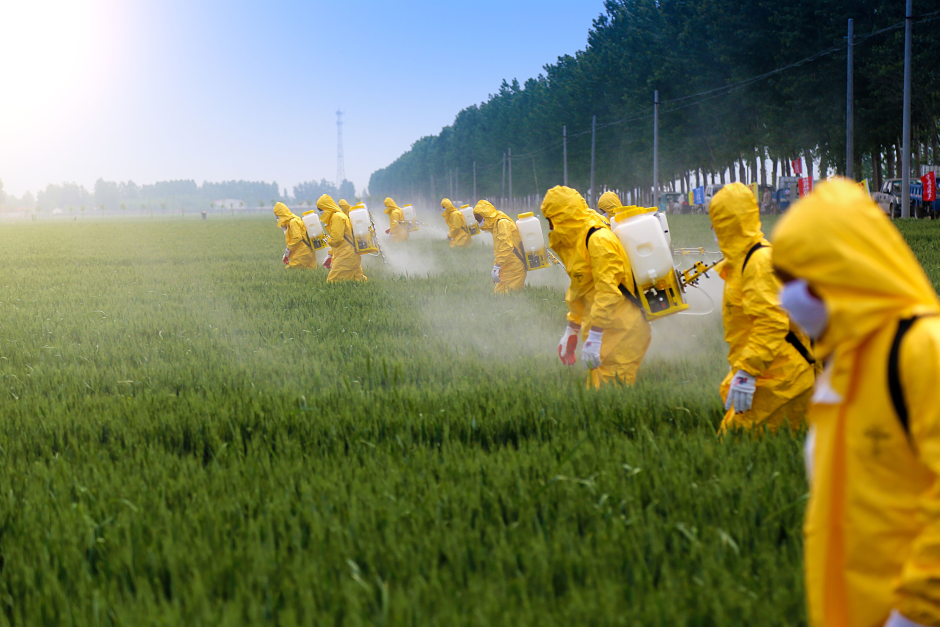
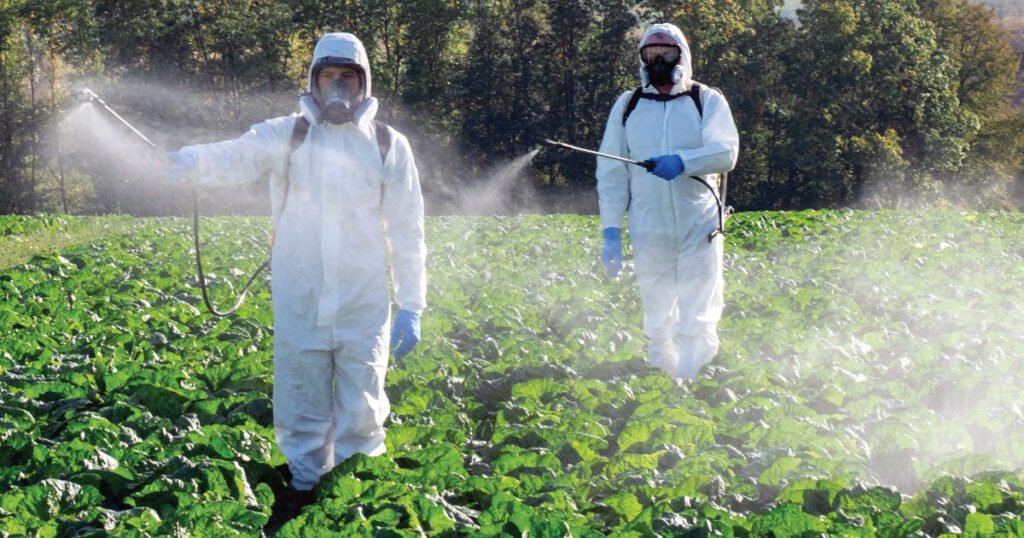
- Chemical Exposure: Handling pesticides, herbicides, and fertilizers requires robust protection against skin absorption and contamination. A single splash can have serious health consequences.
- Physical Hazards: Working with heavy machinery (tractors, augers), sharp tools, barbed wire, and unpredictable livestock poses significant risks of cuts, abrasions, punctures, and crushing injuries.
- Environmental Elements: Farmers battle the elements daily – dust, dirt, mud, rain, wind, and extreme temperatures (both hot and cold). Protective clothing needs to be a barrier against these discomforts and potential health risks like hypothermia or heat stress.
- Biological Contaminants: Exposure to animal waste, mold, fungi, and other biological agents is common, requiring clothing that can be effectively cleaned and minimizes contamination spread.
- Visibility Risks: Working near roads or operating machinery in low-light conditions (dawn, dusk, fog) demands high visibility to prevent accidents.
Ordinary clothing simply cannot provide adequate defense against these diverse threats. This is where purpose-built farmers coveralls step in, designed specifically to mitigate these risks.
The Anatomy of Protection: Features of Modern Farming Coveralls
Modern agricultural coveralls are sophisticated garments, incorporating various features for safety, comfort, and practicality:
- Material Matters:
- Durability: Heavy-duty fabrics like cotton-polyester blends, ripstop nylon, or canvas offer resistance to tears, snags, and abrasions encountered in barns, fields, and workshops.
- Chemical Resistance: For those handling agrochemicals, coveralls made from barrier fabrics (like Tychem® or similar) provide vital protection against liquid splashes and permeation. Breathable yet impermeable materials are key.
- Comfort & Climate Control: Breathable fabrics (often with moisture-wicking properties) are essential for hot conditions. Insulated versions or those with windproof/water-resistant layers are crucial for cold or wet environments. Stretch panels enhance mobility.
- Functional Design:
- Full-Body Coverage: The one-piece design eliminates gaps at the waist, ensuring comprehensive protection from neck to ankle. High collars and long sleeves offer added security.
- Secure Closures: Heavy-duty zippers (often covered by storm flaps), robust snaps, and Velcro® ensure the garment stays closed during strenuous activity, preventing contaminants from entering. Elasticated cuffs and ankles help keep dust and debris out.
- Practical Pockets: Ample, strategically placed pockets – often with reinforced seams and secure closures (zips, flaps) – are essential for carrying tools, notebooks, gloves, or personal items. Knee pad pockets add comfort for tasks requiring kneeling.
- Reinforcements: Critical wear areas like knees, elbows, and seats are often reinforced with extra layers of fabric or padding for enhanced durability and protection.
- High Visibility: For safety near roadways or in low-light conditions, coveralls often incorporate reflective taping (meeting standards like EN ISO 20471) to make the wearer easily seen.
- Fit for Purpose: A good fit is essential. Coveralls that are too loose can snag on machinery; those too tight restrict movement and cause discomfort during long hours. Adjustable features (waist, cuffs) help achieve a secure and comfortable fit.
Beyond the Basics: Standards and Certifications
When selecting protective clothing for farmers, looking for relevant certifications provides assurance of performance:
- Chemical Protection: Standards like EN 14325 (for protective clothing against dangerous chemicals) and specific types (e.g., Type 3, 4, 6 for liquid chemical protection) indicate the level of barrier provided.
- High Visibility: EN ISO 20471 certifies the performance of high-visibility garments.
- General Protection: Standards like EN 340 outline general requirements for protective garments, including ergonomics, innocuousness, sizing, and marking.
Choosing coveralls certified for the specific risks encountered on your farm is crucial.
Maintenance and Longevity: Protecting Your Protection
Proper care extends the life and effectiveness of farmers coveralls:
- Decontamination: Follow specific decontamination procedures, especially after handling chemicals. This often involves thorough rinsing before regular washing.
- Washing: Adhere strictly to manufacturer’s washing instructions. Use appropriate detergents (avoid harsh chemicals unless specified). Wash contaminated coveralls separately from other laundry.
- Inspection: Regularly check for signs of wear, tear, thinning fabric, or degradation of seams, zippers, and reflective strips. Damaged coveralls compromise safety.
- Storage: Store clean, dry coveralls in a well-ventilated area away from direct sunlight and chemical fumes.
Choosing the Right Farming Coveralls:
Selecting the best coverall depends on your specific tasks:
- General Farm Work: Durable, comfortable cotton-blend coveralls with ample pockets and reinforcements might suffice.
- Chemical Handling: Prioritize certified chemical-resistant coveralls (Type 3/4/6) with appropriate seams and closures.
- Cold Weather: Look for insulated, windproof, and water-resistant options.
- High Visibility Needs: Ensure coveralls meet EN ISO 20471 with sufficient reflective material.
- Comfort & Fit: Try different sizes and styles. Consider breathability for hot climates and mobility features.
An Investment in Safety and Well-being
Farming coveralls are far more than a uniform; they are a critical component of a farmer’s personal protective equipment (PPE). Investing in high-quality, appropriately certified protective clothing for farmers is an investment in health, safety, and productivity. By understanding the hazards, recognizing the features of well-designed farmers coveralls, and committing to proper selection and maintenance, agricultural workers can significantly reduce their risk of injury and illness, ensuring they can continue their vital work safely and effectively, day in and day out. Don’t just wear coveralls; make sure you are protected by them.

