
In environments where hazardous particles, liquids, and aerosols lurk, personal protective equipment (PPE) is not just a requirement but a lifeline. Among the various PPE items, Type 5/6 disposable coveralls stand out as a critical barrier, designed to safeguard workers across numerous industries. These specialized garments are engineered to meet rigorous European standards, offering a unique combination of protection, comfort, and practicality that makes them indispensable in high-risk settings.
To understand the significance of Type 5/6 coveralls, it is essential to first clarify their classification. Defined by the EN 14126 standard, Type 5 coveralls provide protection against solid particles, such as dust, fibers, and other airborne contaminants. They are tested to ensure they prevent the penetration of these particles, making them ideal for environments like construction sites, pharmaceutical manufacturing, and asbestos abatement. Type 6 coveralls, on the other hand, are designed for liquid splashes and sprays, complying with the EN 13034 standard. This dual classification—often combined in a single garment as Type 5/6—means the coverall can shield against both solid and liquid hazards, offering versatile protection in complex workplaces.
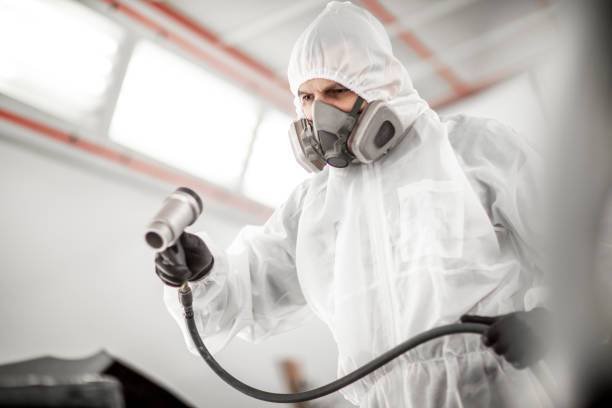
One of the key industries that rely heavily on Type 5/6 coveralls is the healthcare sector. During infectious disease outbreaks, such as the COVID-19 pandemic, these coveralls became a staple for frontline workers. They prevented the transmission of viral particles through both airborne and contact routes, ensuring that doctors, nurses, and laboratory technicians remained safe while caring for patients. Similarly, in the chemical industry, workers handling corrosive liquids or toxic powders depend on the coveralls’ impermeable layers to avoid skin irritation, chemical burns, or long-term health complications. The coveralls’ ability to resist penetration by substances like acids, solvents, and pesticides makes them a non-negotiable item in these settings.
Beyond protection, Type 5/6 disposable coveralls are designed with user comfort in mind—a crucial factor for workers who may wear them for extended periods. Modern iterations feature lightweight, breathable materials that allow for air circulation, reducing heat buildup and discomfort. Elastic cuffs at the wrists and ankles, along with adjustable hoods and waistbands, ensure a snug fit that minimizes gaps where contaminants could enter. Additionally, many coveralls are equipped with zipper closures and storm flaps, providing both easy donning and doffing and an extra layer of protection. These design elements balance functionality with comfort, ensuring that workers can perform their tasks efficiently without compromising on safety.
The disposable nature of these coveralls is another key advantage. In environments where cross-contamination is a major risk—such as hospitals or biotech laboratories—disposable PPE eliminates the need for cleaning and sterilization, reducing the chance of accidental exposure. After use, the coveralls can be safely discarded, preventing the spread of hazardous materials. This not only enhances safety but also saves time and resources for businesses, making disposable Type 5/6 disposable coveralls a cost-effective solution.
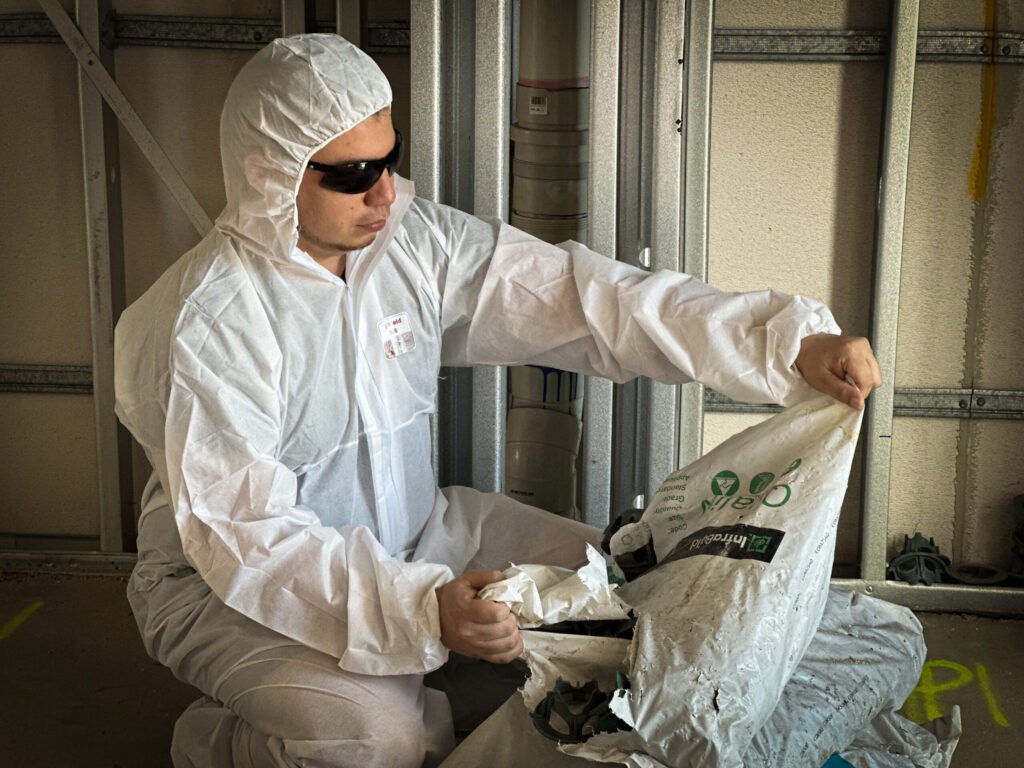
However, it is important to note that the effectiveness of Type 5/6 disposable coveralls depends on proper use and selection. Workers must be trained to put on and remove the coveralls correctly, ensuring that all areas of the body are covered and that no gaps exist. Additionally, businesses must choose coveralls that are appropriate for the specific hazards present in their workplace. Factors such as the type of contaminant, the level of exposure, and the duration of use should all be considered when selecting the right coverall. Using a coverall that is not suited for the task at hand can compromise protection, putting workers at risk.
Type 5/6 disposable coveralls are a vital piece of PPE that plays a crucial role in protecting workers across a wide range of industries. Their ability to shield against both solid particles and liquid splashes, combined with their comfort and convenience, makes them an indispensable tool in high-risk environments. As workplace safety standards continue to evolve, the demand for high-quality Type 5/6 coveralls is only set to grow. By investing in these specialized garments and ensuring their proper use, businesses can protect their most valuable asset—their employees—while maintaining productivity and compliance with safety regulations.

